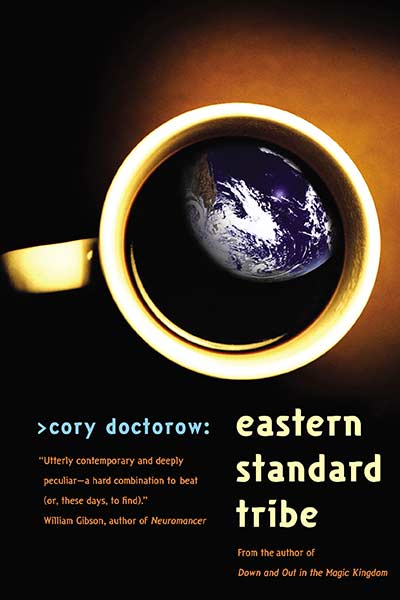
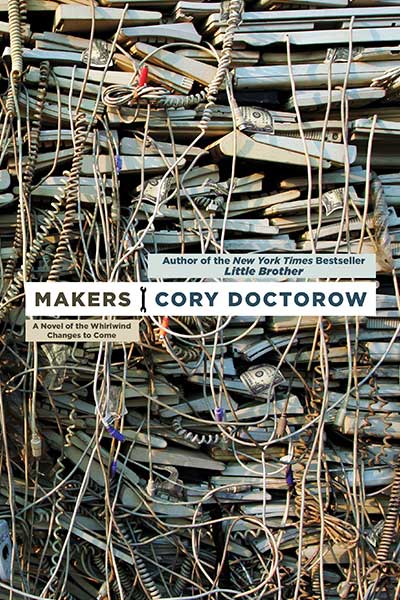
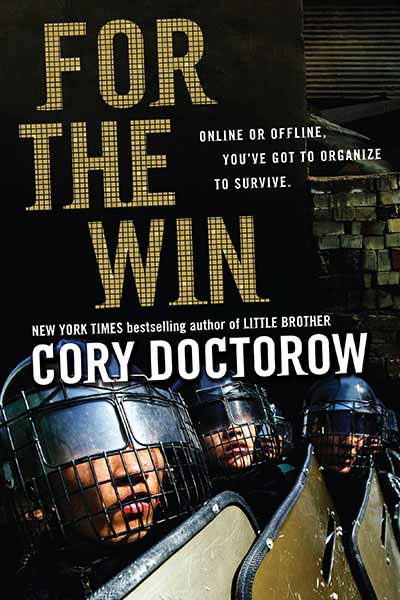
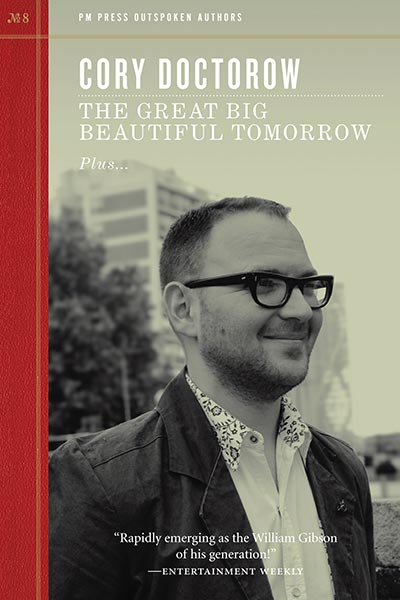
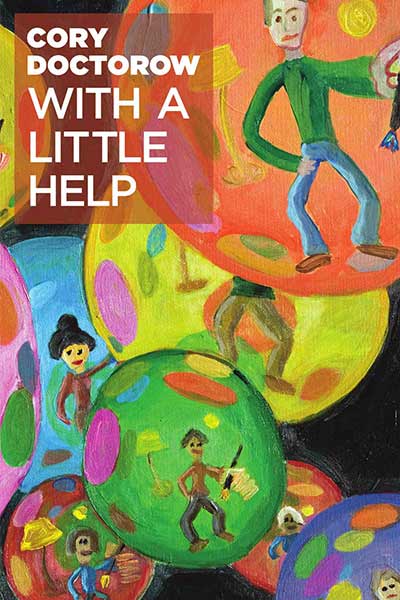
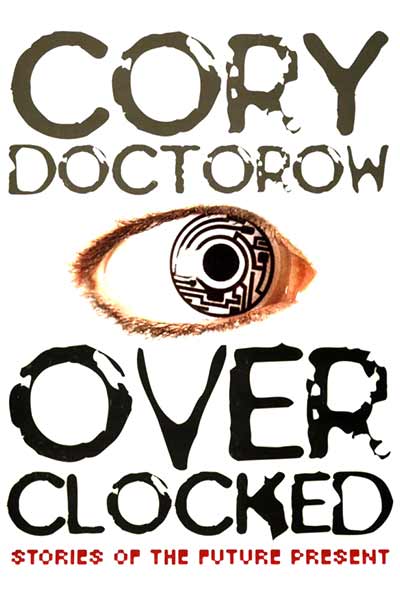
Seattle’s kick-ass University of Washington bookstore is the latest local store to start selling my DIY science fiction short story collection, With a Little Help, printing it on demand from their Espresso Book Machine. They’re even giving away some copies to celebrate.
Seattle’s kick-ass University of Washington bookstore is the latest local store to start selling my DIY science fiction short story collection, With a Little Help, printing it on demand from their Espresso Book Machine. They’re even giving away some copies to celebrate.

Amsterdam’s excellent American Book Center is now carrying my DIY science fiction short story collection, With a Little Help, in its inventory; they’ve got a print-on-demand machine that’ll print and bind a copy in any of the four covers (they’ll also ship within Europe and abroad).
Amsterdam’s excellent American Book Center is now carrying my DIY science fiction short story collection, With a Little Help, in its inventory; they’ve got a print-on-demand machine that’ll print and bind a copy in any of the four covers (they’ll also ship within Europe and abroad).
Back in July, I went to Mexico City to moderate a panel at the Campus Party conference, a massive LAN party/campout/hackathon/tech policy event. It was a long, long way to go, but it was worth it: my panelists were Tim Berners-Lee (who invented the Web), Vint Cerf (one of the most important figures in the invention of the Internet) and Al Gore (who, despite sneering misquotations, *was* very, very important to the formation of the Internet as we know it today).
We had a wide-ranging discussion, but kept circling back to the threats and promises for the net — copyright wars, privacy wars, government and grassroots. It was a lot of fun, and quite an honor, and I’m happy to see they’ve got the video online.
Al Gore, Vint Cerf y Tim Berners-Lee en Campus Party México 2011 – Panorama actual del Internet
(Thanks, Jan!)
This week, I gave the keynote address at the ACM SIGGRAPH conference in Vancouver, BC. The event’s organizers were kind enough to record and release my video to their YouTube channel. My talk was about the way that copyright can be made to work for creators in the digital age, and why it’s important for everyone that we don’t get it wrong.
My latest Guardian column, “Android and iOS both fail, but Android fails better,” explains why I prefer Android to iOS — not because I trust Google more than I trust Apple, but because Android requires less trust than iOS.
I use Android because I don’t trust Google. Sure, I trust and like individual googlers, and admire many of the things the company has managed – but I don’t for one moment think that Google’s management is making its decisions in order to make me happy, fulfilled and free.I think there are good days when Google’s management might believe that helping me attain those ends will make it more money, but if it were to believe that making me miserable would enrich its shareholders without alienating too many of its key personnel and partners, my happiness would cease to matter in the slightest.
So why use Android? Because it requires less trust in Google than using iOS requires that you trust Apple. iOS has one official store, and it’s illegal in most places to buy and install apps except through this store. If you and Apple differ about which apps you need, you have to break the law to get your iPhone or iPad to run the app that Apple rejected.

Android and iOS both fail, but Android fails better
(Image: Rooting my HTC Hero Android Phone, a Creative Commons Attribution (2.0) image from a_mason’s photostream)
The nice folks at Colbyjack have begun a free, Creative-Commons licensed fan podcast serial of my novel For the Win. The first of 37 installments is here (here’s the MP3), and the RSS feed for the podcast is here. (And don’t forget, you can get a DRM-free MP3 of the official, Random House audiobook, expertly read by the excellent George Newbern, direct from me, or from your favorite audiobook retailer)
The nice folks at Colbyjack have begun a free, Creative-Commons licensed fan podcast serial of my novel For the Win. The first of 37 installments is here (here’s the MP3), and the RSS feed for the podcast is here. (And don’t forget, you can get a DRM-free MP3 of the official, Random House audiobook, expertly read by the excellent George Newbern, direct from me, or from your favorite audiobook retailer)