I did a Q&A with The Oregonian to help publicize my stop at the Powell’s Books in Beaverton, OR on Feb 6 at 7PM. It’s the second stop in my 22 city tour.
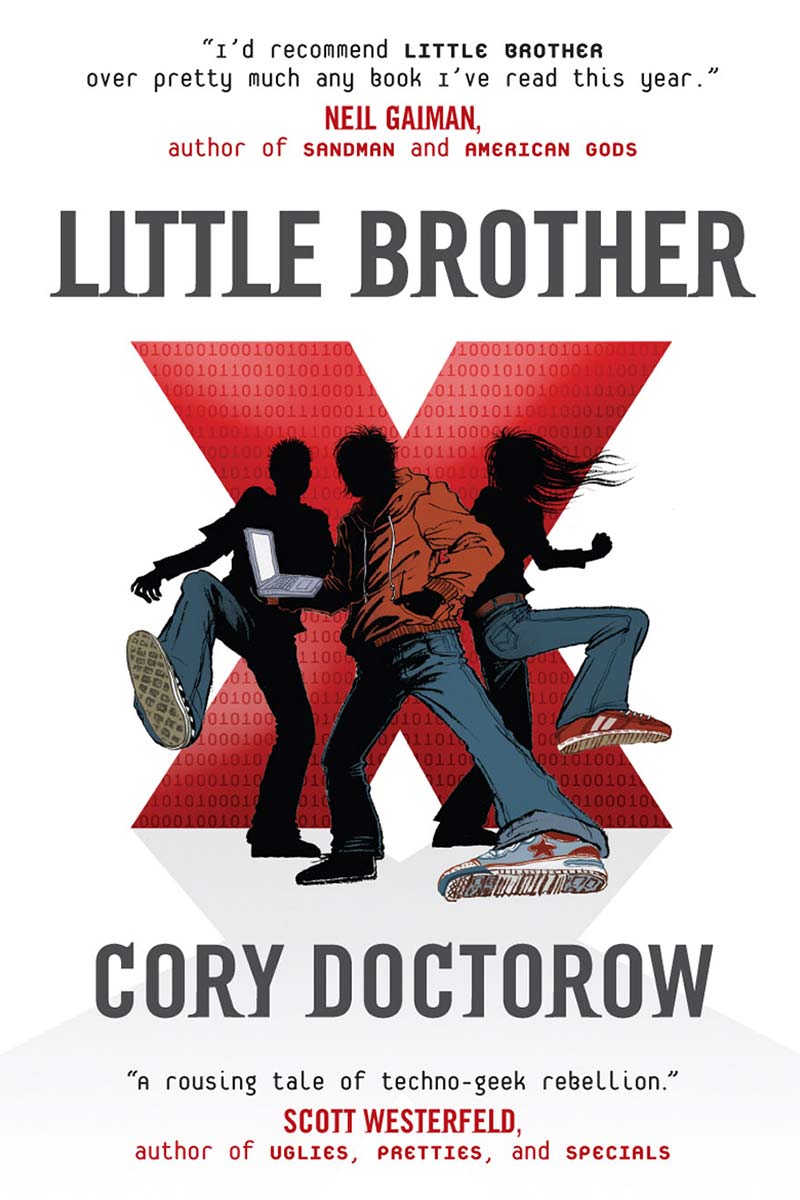
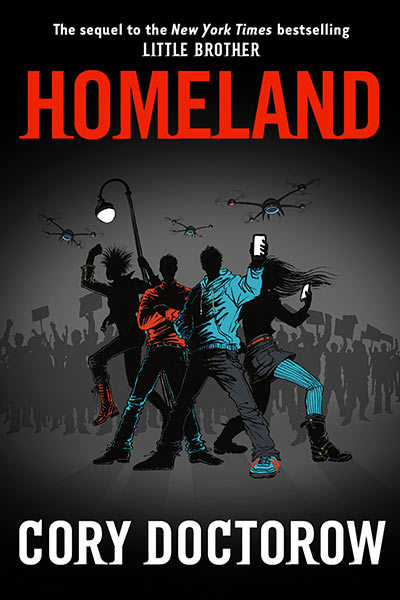
What prompted you to write “Homeland,” the sequel to “Little Brother,” and what’s the impact of “Little Brother” been, especially among younger readers?
A couple of years ago, it occurred to me that the emergency had become permanent. Declaring war on an abstract noun like “terror” meant that we would forever be on a war footing, where any dissent was characterized as treason, where justice was rough and unaccountable, where the relationship of the state to its citizens would grow ever more militarized.
But this permanent emergency didn’t have any visible battlefront — it was a series of largely invisible crises in the form of brutal prosecutorial overreach, police crackdowns, ubiquitous surveillance, merciless debt-hounding and repossession.
I wanted to write a story that helped kids see this invisible, all-powerful crisis unfolding around them, and helped them see that it didn’t have to be that way, that they could push back.
I’ve heard from thousands and thousands of kids who were influenced by “Little Brother,” kids for whom it was an inspiration to become makers, programmers and activists. I wanted to reach these kids again, and their little sisters and brothers, and show them that the fight goes on and it needs them.
Bookmarks: Q&A with Cory Doctorow, science fiction and Internet activist