/ / News


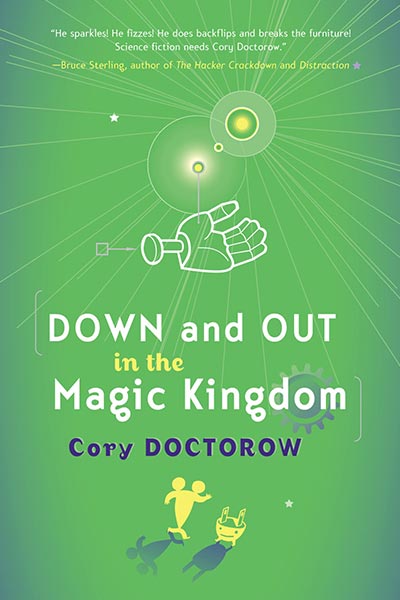
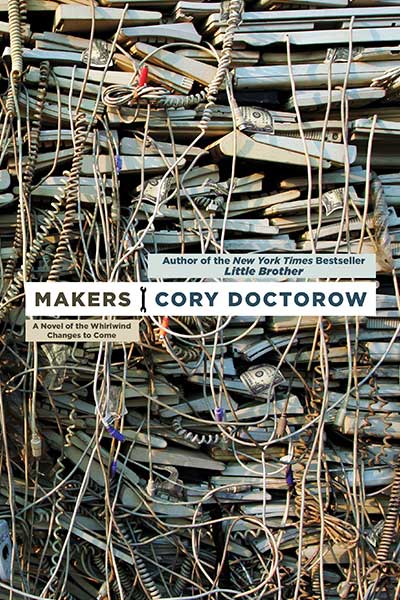
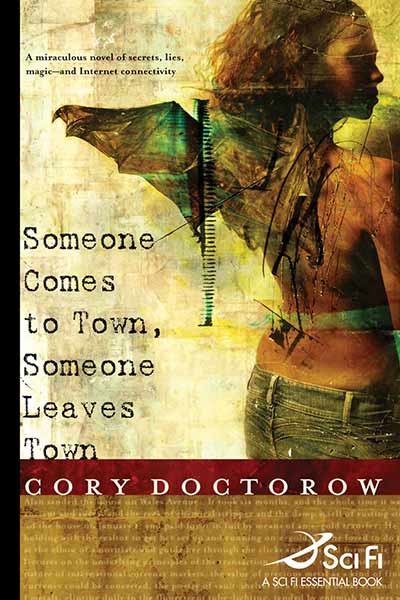
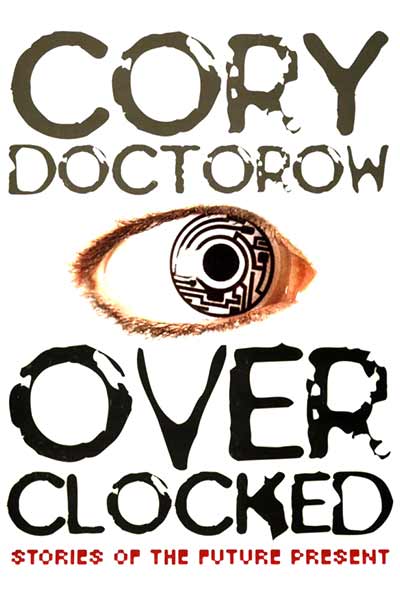
HarperVoyager, my UK publisher, have just published British editions of the three novels they didn’t already have in print: Down and Out in the Magic Kingdom, Eastern Standard Tribe, and Someone Comes to Town, Someone Leaves Town. There’s also a UK paperback edition of Makers out this week.

I’m going to be celebrating all these UK launches at Clerkenwell Tales in London on July 20, in an event with China Mieville, chaired by English PEN’s Robert Sharp. The event’s set for 7PM and space is limited (though attendance is free). Email Clerkenwell Tales to RSVP.

/ / News

My latest Locus column, “What I Do,” is a pretty thorough inventory of the apps, OSes, hardware and services I use on a day to day basis:

From time to time, people ask me for an inventory of the tools and systems I use to get my work done. As a hard-traveling, working writer, I spend a lot of time tinkering with my tools and systems. At the risk of descending into self-indulgence (every columnist’s occasional privilege), I’m going to try to create a brief inventory, along with a wish/to-do list for the next round.

What I Do

/ / For The Win, News

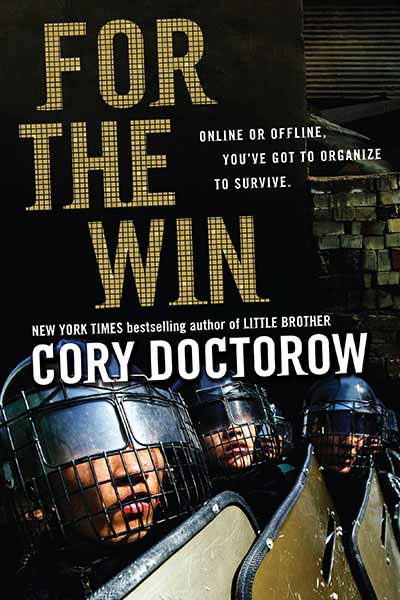
John Clute’s smashing review of For the Win in the latest Strange Horizons compares the book (and me) to Heinlein in his heyday. Color me delighted!

There are a lot of MMORPG battles in the first half of the book, and a lot of lessons—much more interesting —about gameworld economies, and gold farming, and derivatives, in the second. The climax of the tale is double: an at times kinetically arousing narrative of the joining of the oppressed of the world and gameworlds in worldwide strike actions; and a neat narrative—infodumps hanging into the page whenever necessary — explaining how the greedy corporations of the world have been lured into a ponzi scheme engineered by members of our extremely clever crew, and how these corporations are forced into a humiliating climb-down at the very end: in the line of SF created by Heinlein, proper mousetraps trap proper mice: period.

Doctorow doesn’t write a bad sentence; he doesn’t even ever write a sentence you have to read twice. You can feel story pounding through the arteries of For the Win

/ / News

John Clute’s smashing review of For the Win in the latest Strange Horizons compares the book (and me) to Heinlein in his heyday. Color me delighted!

There are a lot of MMORPG battles in the first half of the book, and a lot of lessons—much more interesting —about gameworld economies, and gold farming, and derivatives, in the second. The climax of the tale is double: an at times kinetically arousing narrative of the joining of the oppressed of the world and gameworlds in worldwide strike actions; and a neat narrative—infodumps hanging into the page whenever necessary — explaining how the greedy corporations of the world have been lured into a ponzi scheme engineered by members of our extremely clever crew, and how these corporations are forced into a humiliating climb-down at the very end: in the line of SF created by Heinlein, proper mousetraps trap proper mice: period.

Doctorow doesn’t write a bad sentence; he doesn’t even ever write a sentence you have to read twice. You can feel story pounding through the arteries of For the Win

/ / Makers, News


I’m absolutely delighted to announce that my novel Makers has made the shortlist for Canada’s Sunburst Award, a juried prize “presented annually to Canadian writers with a speculative fiction novel or book-length collection of speculative fiction published any time during the previous calendar year.”

I’ve won the Sunburst twice before — once in 2003 for my short story collection A Place So Foreign and Eight More and again in 2009 for my novel Little Brother. I’m so pleased to be honored again, and to be listed among such worthy colleagues on the shortlist.

/ / News


I’m absolutely delighted to announce that my novel Makers has made the shortlist for Canada’s Sunburst Award, a juried prize “presented annually to Canadian writers with a speculative fiction novel or book-length collection of speculative fiction published any time during the previous calendar year.”

I’ve won the Sunburst twice before — once in 2003 for my short story collection A Place So Foreign and Eight More and again in 2009 for my novel Little Brother. I’m so pleased to be honored again, and to be listed among such worthy colleagues on the shortlist.

/ / Little Brother, News

Here’s an interview I conducted with the Israeli newspaper Haaretz on the occasion of the Hebrew publication of Little Brother.

בראיון טלפוני עמו מתגלה דוקטורוב כאדם חריף ומהיר מחשבה. הוא מודה כי הוא לחוץ במעט מאחר שעליו להשלים כתיבה של שני ספרים אבל הדבר לא מונע ממנו לענות תשובות מנומקות.

כשהוא נשאל כיצד הוא אמור להתפרנס מספרו אם הוא ניתן להורדה חינם באינטרנט, הוא עונה כי “בכך שאני מאפשר הפצת ספרים בחינם יותר קוראים פוטנציאליים נחשפים אליהם. כפי שטים אוריילי (פעיל בתנועות למען קוד פתוח, א”ש) נוהג לומר, הסכנה לאמן היא לא פיראטיות, אלא אנונימיות”.

/ / News

Here’s an interview I conducted with the Israeli newspaper Haaretz on the occasion of the Hebrew publication of Little Brother.

בראיון טלפוני עמו מתגלה דוקטורוב כאדם חריף ומהיר מחשבה. הוא מודה כי הוא לחוץ במעט מאחר שעליו להשלים כתיבה של שני ספרים אבל הדבר לא מונע ממנו לענות תשובות מנומקות.

כשהוא נשאל כיצד הוא אמור להתפרנס מספרו אם הוא ניתן להורדה חינם באינטרנט, הוא עונה כי “בכך שאני מאפשר הפצת ספרים בחינם יותר קוראים פוטנציאליים נחשפים אליהם. כפי שטים אוריילי (פעיל בתנועות למען קוד פתוח, א”ש) נוהג לומר, הסכנה לאמן היא לא פיראטיות, אלא אנונימיות”.

/ / News

My latest Guardian column, “Canada’s copyright laws show Britain’s digital legislation is no exception,” explores the comparative histories of the awful UK Digital Economy Bill (rammed through Parliament with no real debate using dirty procedural tricks) and Canada’s new Bill C-32, a proposed law that ignores the thousands of Canadians who weighed in on the government’s copyright consultation, creating a prohibition on breaking “digital locks,” even when no copyright infringement takes place.

Only 46 of the 8,306 commenters thought otherwise. These 46 commenters advocated replicating America’s failed experiment in Canada; everyone else thought the idea was daft. You’d think that with numbers like 46:8260, the government would go with the majority, right? Wrong.

When minister of industry Tony Clement, and minister of heritage James Moore, published the text of their long-awaited copyright bill, Canadians were floored to discover that the ministers had replicated the American approach to digital locks. Actually, they made it worse – the Americans conduct triennial hearings on proposed exemptions to the rule; Moore and Clement didn’t bother with even this tiny safeguard.

The ministers have been incapable of explaining the discrepancy. When confronted on it, they inevitably point to the fact that their bill also establishes numerous “user rights” for everyday Canadians (for example, the right to record a TV show in order to watch it later), and suggest that this is the “balance” that Canadians asked for. When critics say, “Yes, you’ve created some user rights, but if a digital lock prevents their exercise, it’s against the law to break the lock, right?” the ministers squirm and change the subject.

Canada’s copyright laws show Britain’s digital legislation is no exception